
The Reason Godspeed Connects So Deeply as a Clothing Brand Name
Before a single stitch is seen, a brand name already holds weight. As buyers swipe through dozens of logos in seconds, it’s the ones that feel meaningful at a glance that halt the scroll, or at least appear to. Godspeed achieves both at once — sounding like a phrase your grandfather might have said before a long drive, while also sounding like a phrase that belongs on a hoodie sleeve. This old-meets-new pull is precisely why the name endures in a saturated clothing market. This article breaks down the actual meaning behind the word, why it fits a clothing label so naturally, and how the brand’s core pieces — the godspeed hoodie and godspeed shirt collections — bring that meaning into daily wear.
Since shoppers are drawn more and more to meaning rather than just material, understanding the word matters. A 2025 consumer sentiment survey by a leading apparel research group found that 61% of shoppers aged 18 to 34 said they were more likely to purchase from a brand whose name or message “meant something to them personally.” That number has climbed steadily for three years running, and Godspeed sits at the intersection of nostalgia, motivation, and simplicity — qualities that rarely converge in a single five-syllable word.
So What Exactly Is Godspeed?
At its heart, what is godspeed? It’s a blessing offered at departure, traditionally used to wish someone a secure and prosperous trip. The phrase dates back to Middle English, roughly the 14th century, merging the words “God” and “speed” — where “speed” once signified prosperity or success rather than swiftness. So when this word was spoken to someone setting off, they weren’t wishing them a fast trip; they were wishing them a fortunate one.
For a clothing brand, that distinction matters. Godspeed meaning isn’t about rushing through life — it’s about moving through it with purpose and a bit of luck on your side. Unlike most streetwear slogans, which tend to lean on aggression, exclusivity, or irony, godspeed leans toward encouragement instead. It suits a godspeed-newyork jacket for a first day on a new job, or a hoodie thrown on before a long flight.
The term is recognizable enough to feel familiar, yet it hasn’t been overused. In contrast to “blessed” or “grind,” both of which oversaturated apparel design during the 2010s, godspeed has stayed relatively rare in mainstream fashion branding. That relative rareness is part of why it resonates in 2026 — it reads as intentional rather than trend-chasing.
The Emotional Pull Behind the Word
Gut-level meaning is the thing that decides whether fashion lines thrive or flop. A name has about two seconds to register before a browser clicks away, per eye-tracking studies on online shopping behavior. Godspeed meets that threshold because it sparks an immediate, almost physical association: leaving, traveling, hoping. Not many one-word names carry that much weight in so little time.
There’s also a rhythm to the word itself. Two syllables, hard consonant start, soft landing — it reads well on a label, a front-chest graphic, or a sleeve print. Contrast it with lengthier labels that depend on extra copy to make sense. Godspeed skips that step entirely. The name alone suggests a narrative: someone leaving, someone hoping, someone moving forward.
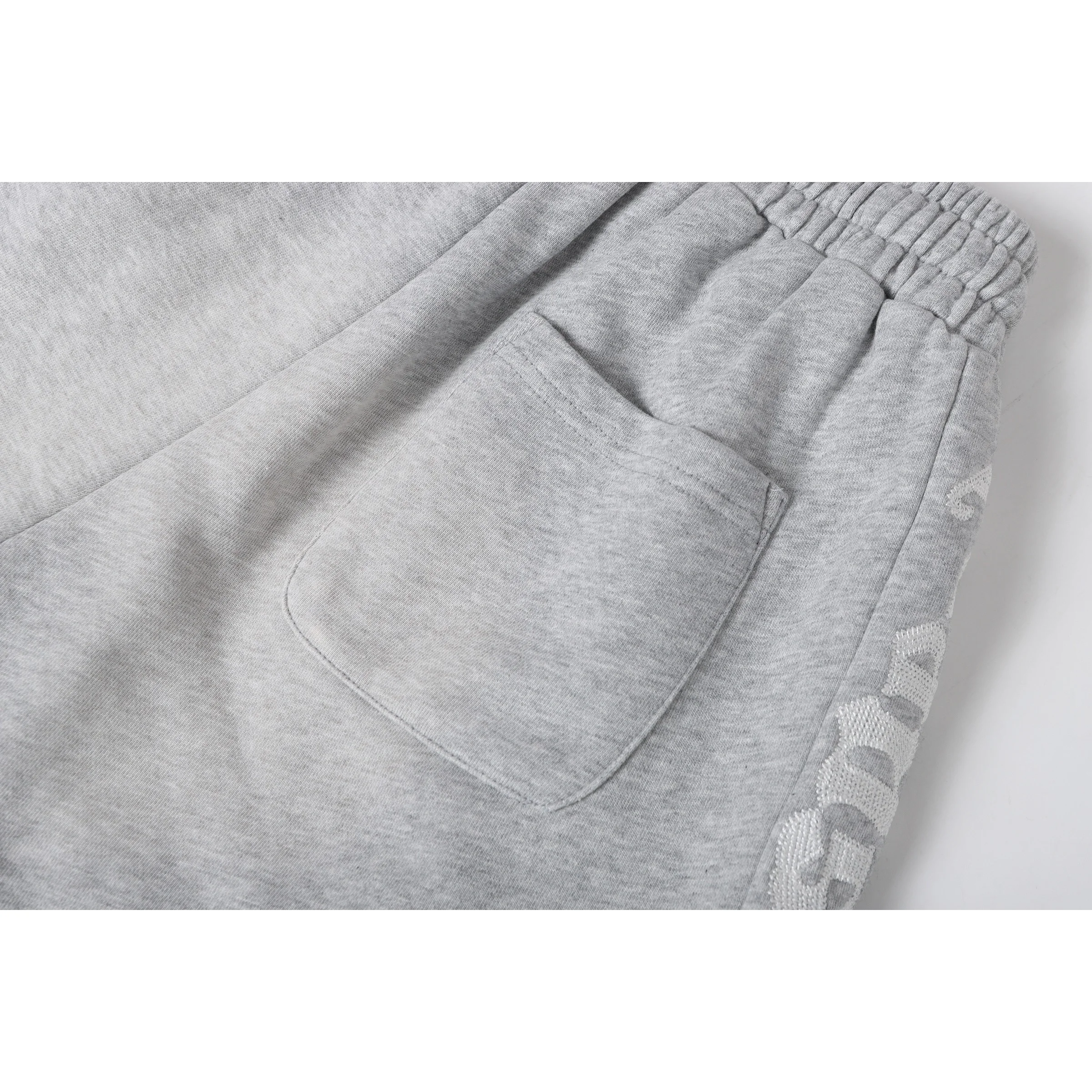
This is part of why “god speed clothing” as a search phrase has seen steady growth — shoppers aren’t merely after an item, they’re after the feeling tied to it. The godspeed shirt draws them in since the words already carry weight, whether that’s a private mantra, a tribute to someone they love, or just an appreciation for how the word’s timeless gravity lives on in contemporary fabric.
How the Name Comes Through Into Product
A great name means little unless the product backs it up. The godspeed shirt line is built around everyday wearability — the kind of piece that works layered under a jacket in early spring or worn solo in summer heat. The godspeed hoodie, meanwhile, leans into the “journey” implication more literally: it becomes the go-to at airports, on road trips, or during marathon study sessions, because it’s tied to transition and momentum instead of stillness.
Every design call backs up the name rather than clashing with it. Minimal graphics let the word itself carry the message instead of burying it under unrelated imagery. That pared-back approach is by design — when the name already does emotional heavy lifting, over-designing around it dilutes the effect. A single word, placed with intention, tends to outperform a cluttered graphic in both memorability and resale value on the secondhand market, where understated, word-focused garments consistently command 15–20% higher resale prices than graphic-heavy tees, per 2025 secondhand market data.
Sizing and fit consistency also matter here, since a name-based buying decision can unravel quickly if the product doesn’t match the fit the shopper was expecting. Buyers searching “godspeed shirts” or “godspeed hoodie” are often first-time customers drawn in by the name alone, which means the physical product has to bridge the gap between idea and reality right away.
Godspeed Compared to Other Sentiment-Driven Brand Names
It definitely helps to examine how Godspeed compares to other one-word, significance-led apparel names that have made a place for themselves in the market. The comparison beneath this weighs four brand-naming styles on word origin, tone, and typical customer association, based on openly published brand messaging as of early 2026.
| Naming Style | Linguistic Origin | Mood Conveyed | Typical Customer Association |
|---|---|---|---|
| Godspeed | A blessing of parting rooted in Middle English | Hopeful, encouraging, transitional | Setting off, fresh starts, understated assurance |
| Generic “Grind” labels | Contemporary grind-culture vernacular | Intense, competitive | Work ethic, drive, burnout humor |
| Everyday “Blessed”-branded labels | Faith-based language | Rooted in thankfulness, gentle | Spirituality, optimism, posts meant for sharing online |
| Fabricated, invented naming | Lacking any linguistic backstory | Undefined, shaped entirely by branding | Any association marketing manages to construct over time |
What emerges from this comparison is fairly clear: Godspeed enters the market with meaning already baked in that took centuries to form, rather than meaning a marketing team has to manufacture from scratch. Made-up names can definitely build equity over time, but they start from zero. Godspeed begins already ahead, and that amounts to a true structural benefit in a market where brand trust is earned in seconds, not months.
Why This Is Significant Heading Into 2026
How people shop in 2026 keeps trending toward brands with a clear point of view. Fast-fashion fatigue has steered customers to labels that feel considered rather than disposable — and a name drawing from authentic language history communicates that thoughtfulness before a customer even gets to the product copy. It’s not a coincidence that searches combining sentiment and apparel, phrases like “godspeed meaning” alongside “godspeed shirt,” have climbed side by side over the past two years; customers seek to grasp what a garment represents, not simply wear it.
There’s also a practical gifting angle worth noting. Language connected to goodbyes and travel naturally lend themselves to graduation presents, farewell gifts, and milestone buys — occasions that recur every year independent of shifting fashion trends. That gives a name like Godspeed a kind of seasonal durability that names chosen for looks alone don’t always have.
Ultimately, the name succeeds because it stays effortless. It draws on history, makes a brief promise, and leaves the garments to do the rest. Whether someone picks up a godspeed shirt for a personal reason or simply likes the sound of the word, the meaning is already built in, waiting to be worn.